An Impactful March
Motivation to Continue Our Work in Food Access
On March 11, 2025, Hunger Harvest hosted its first Open House, welcoming over 30 partners from community schools, nonprofits, and healthcare. It was a perfect day for a game of Bingo to build connections within our community. The event began with a welcome from our CEO, Evan Lutz, followed by remarks from Whitney Ashead, Director of Social Impact Partnerships.
“I grew up in a home full of joy, laughter, and learning. I also grew up in a home without reliable access to food, especially healthy foods…That experience connected me to the most important motivator for this work - the people and partners behind the impact that families feel every day.”
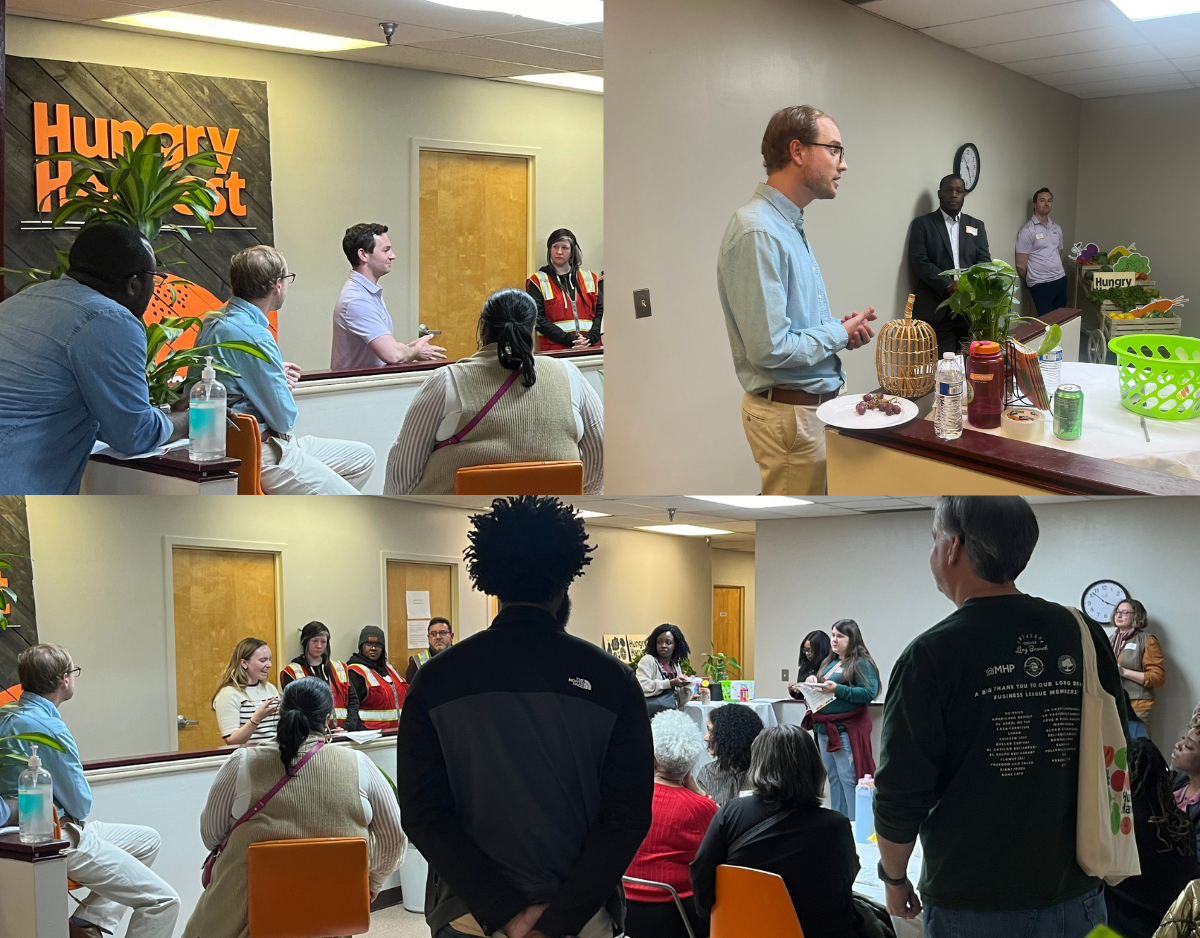
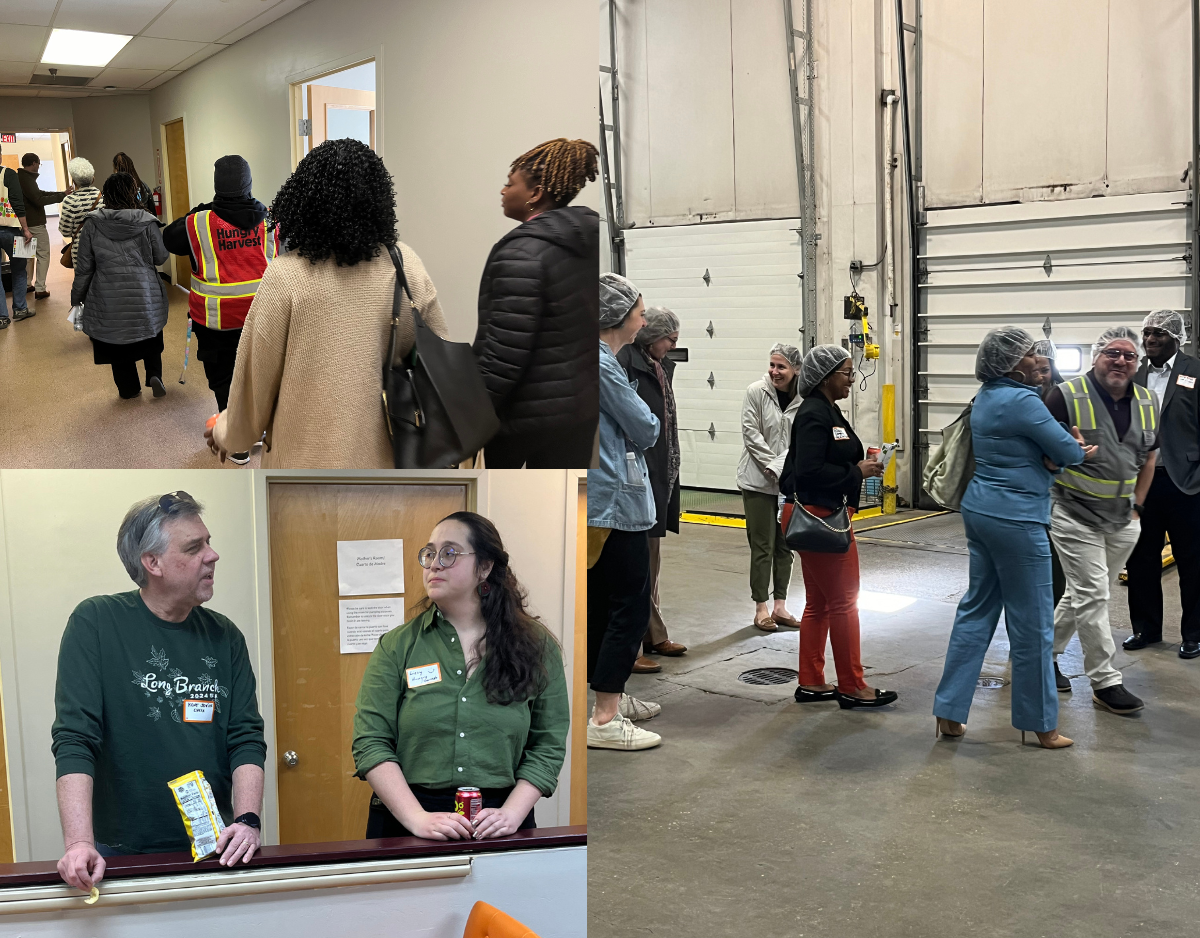
Following open remarks, partners broke off into groups for guided tours throughout our warehouse to see behind the scenes of Hungry Harvest operations. Will McCabe, Director of Social Impact Product Development, reinforced the mission behind these efforts.
“This partnership isn’t just about distributing food - it’s about building stronger, healthier communities. It’s about making sure that students are well fueled to be well schooled, and well fed to be well read.”
We appreciate those who attended our first Open House, and we look forward to welcoming you again in the future!
The Fun Didn’t Stop There
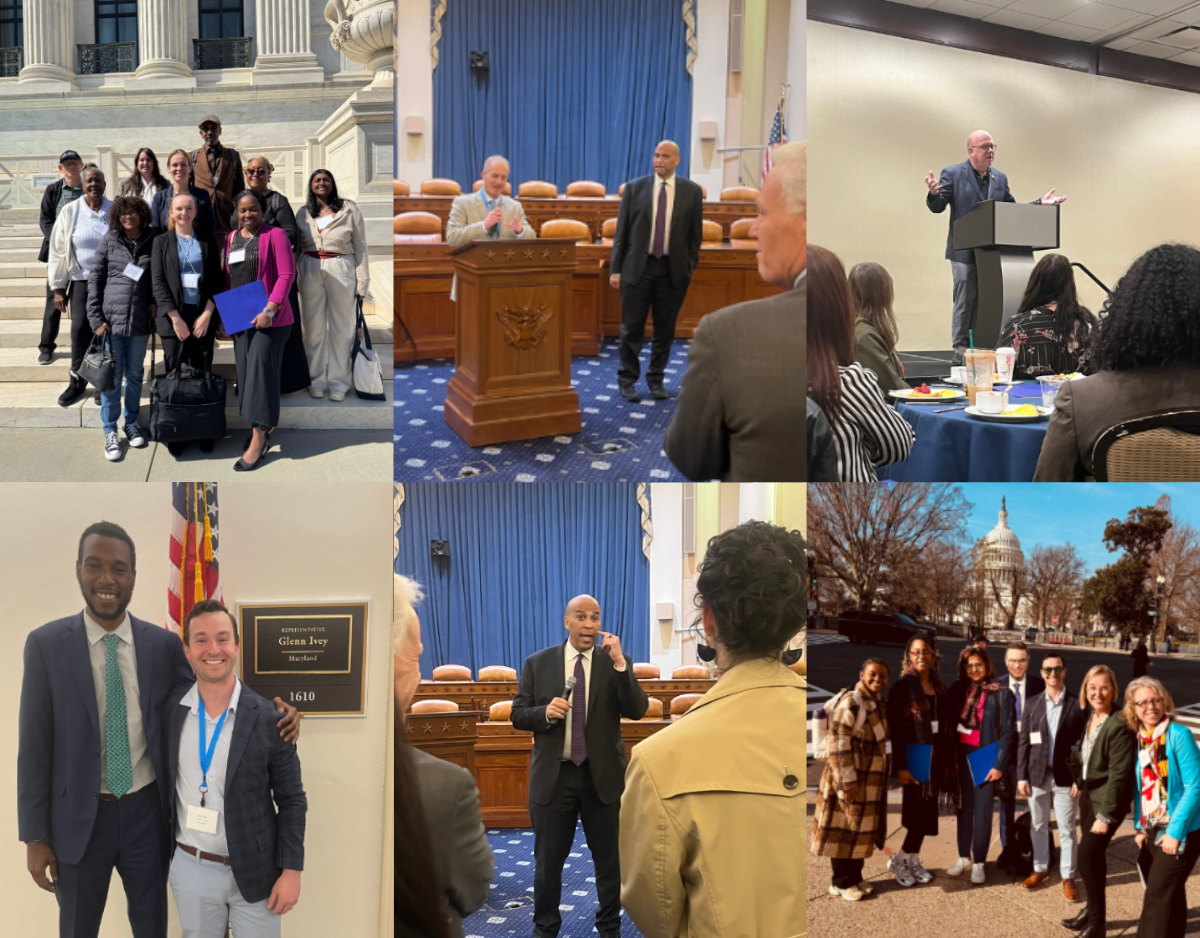
On March 12th, members of our Social Impact Department had the opportunity to join the 2nd Annual Food is Medicine (FiM) Advocacy Day alongside over 200 attendees, including patient advocates, researchers, doctors, and nutritionists.
We were grateful to connect with Hungry Harvest partners from ChristanaCare, Johns Hopkins, and Capital Area Food Bank, reinforcing our commitment to expanding access to Food is Medicine solutions.
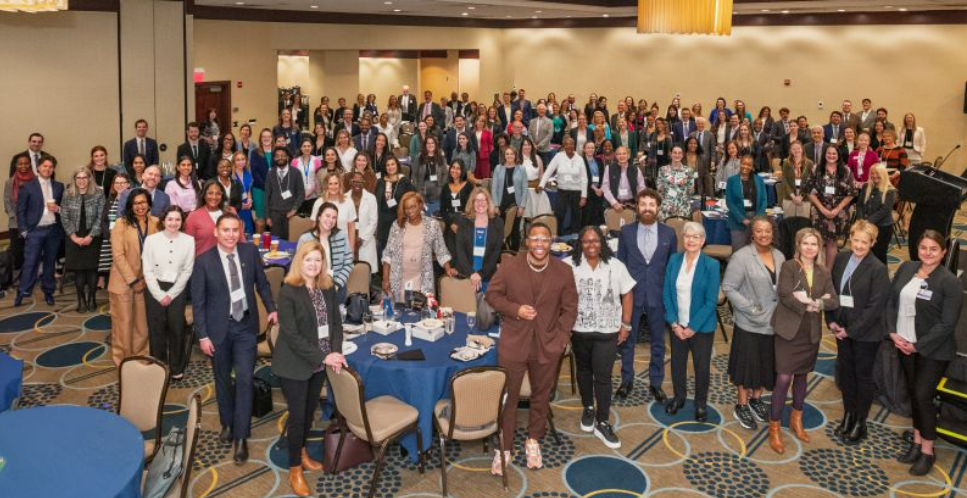
Hungry Harvest’s team headed to Capitol Hill to meet with eight representatives, share our personal experiences, and advocate for the impact of food access, ready-to-eat meals, and healthy groceries on health.
The day concluded with inspiring remarks from Dr. Dariush Mozaffarian, Director of the Food is Medicine Institute at Tufts University, and Senator Cory Booker, leaving us even more motivated to push this work forward.
Why this Matters?
Poor nutrition is a leading driver of chronic illness. Food is Medicine programs bridge this gap by integrating healthy food into medical care - an approach that could save the U.S. $13.6 billion annually in healthcare costs. Produce prescription programs, for example, have been shown to be as cost-effective as routine screenings for blood pressure and cholesterol.
Investing in food-based interventions is a smarter, more sustainable approach to health. By making nutritious food part of healthcare, we can improve long-term health outcomes while reducing reliance on costly treatments. We’re proud to continue advocating for Food is Medicine and food access for all.